Select enterprise rack servers and custom computing components optimized for deep learning, transaction databases, and large-scale retail platforms.
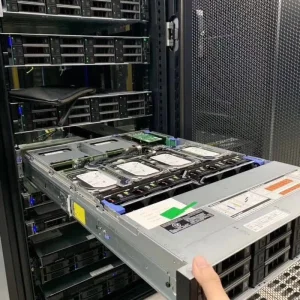
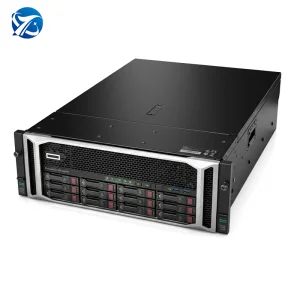
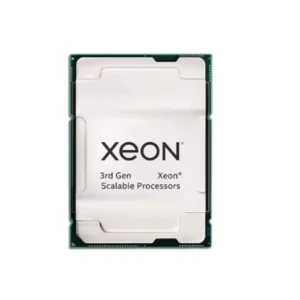
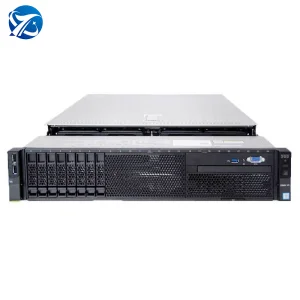
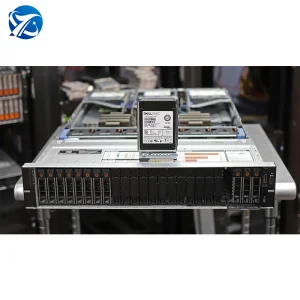
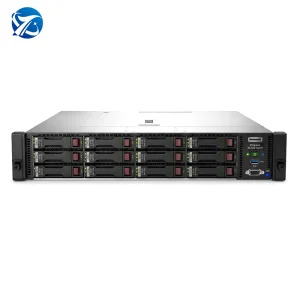
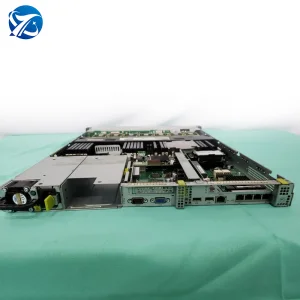
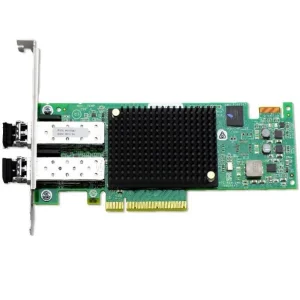
The global retail industry is experiencing a profound technological transformation. Traditional, isolated Point-of-Sale (POS) systems and basic inventory databases are rapidly giving way to real-time, AI-driven architectures. Today's market demands intelligent customer insight mining, automated cashierless checkouts, computer vision-enabled loss prevention, and hyper-dynamic supply chain management. This vast array of applications relies on a highly robust and scalable hardware baseline.
As a leading China retail technology supplier, we focus on providing the physical foundation for these computational workloads. Our infrastructure solutions—spanning high-density GPU computing servers, low-latency PCIe switches, and reliable storage network interfaces—ensure that large-scale retail software packages operate at maximum uptime. By integrating hardware design with local optimization, we empower retail enterprises to process massive transactional datasets and deploy AI models, including optimized inference for LLMs like DeepSeek, right at the retail edge.
AI Server Technology Co., Ltd. is a B2B manufacturer and designer of custom AI infrastructure systems built to power high-concurrency retail networks.
Company Profile: AI Server Technology Co., Ltd. is a professional manufacturer and solution provider specializing in AI computing infrastructure. We focus on the design, development, and production of high-performance servers, PCIe switches, GPU baseboards, motherboard solutions, and retimer boards.
Our products are widely used in AI training, machine learning, high-performance computing (HPC), cloud data centers, and enterprise-level computing environments.
With strong R&D capabilities and flexible OEM/ODM services, we are committed to delivering reliable, scalable, and high-efficiency AI server solutions for global customers.
Application Areas: Artificial Intelligence, Deep Learning, HPC, Cloud Computing, Data Centers

Anticipating the demands of next-decade retail ecosystems with dense hardware design, edge AI, and modular component design.
Physical storefronts are transitioning from simple client devices to local micro-data centers. Local AI inference reduces latency, protects consumer privacy, and ensures uninterrupted operations even during cloud outages. Our motherboard and retimer systems are designed to fit tight space footprints while supporting high thermal loads.
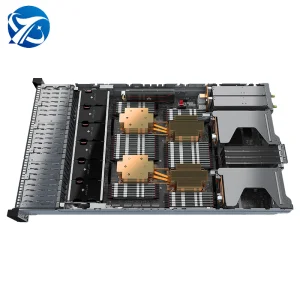
High-density computing generates significant heat. In alignment with global environmental goals, we have developed rack configurations with direct-to-chip liquid cooling systems. By optimizing thermal transfer, we help retail operators reduce power consumption (PUE) by up to 25%.
Modern recommendation models process gigabytes of data per second. By utilizing advanced PCIe switch systems, we offer servers that support Gen5 speeds, meaning GPUs can pull dataset information from NVMe SSDs with zero bus bottlenecking, providing ultra-responsive checkout calculations.
We supply the core hardware layers that enable complex software suites to run without latency across multi-national store networks.
Running multi-camera checkout lanes requires hardware that can decode and process live video streams concurrently. Our GPU-optimized servers handle high-fps video feeds with low latency, providing immediate checkout feedback while ensuring accurate loss prevention algorithms run in parallel.
E-commerce platforms rely on vector search to match user search intent. By utilizing systems fitted with high-bandwidth network adapters like Emulex Fibre Channel HBA cards, retail systems retrieve search embeddings within milliseconds, boosting conversion rates through fast, personalized results.
Automated warehouses depend on real-time database updates for millions of physical packages. Our storage servers, equipped with enterprise SATA and NVMe SSD arrays, support millions of IOPS. This guarantees database integrity during peak traffic hours like Black Friday or Double 11.
Global retailers must adhere to strict data security regulations, such as GDPR in Europe and CCPA in the United States. Physical hardware forms the first line of defense. Our computing platforms incorporate physical Trusted Platform Modules (TPM 2.0) and secure boot options to prevent unauthorized firmware access.
Additionally, all servers and motherboard solutions undergo rigorous safety evaluations, achieving international certifications including CE, FCC, RoHS, and UL approvals. We provide complete technical assistance through regional service nodes, ensuring that spare parts and specialized technicians are available to support global enterprise operations.
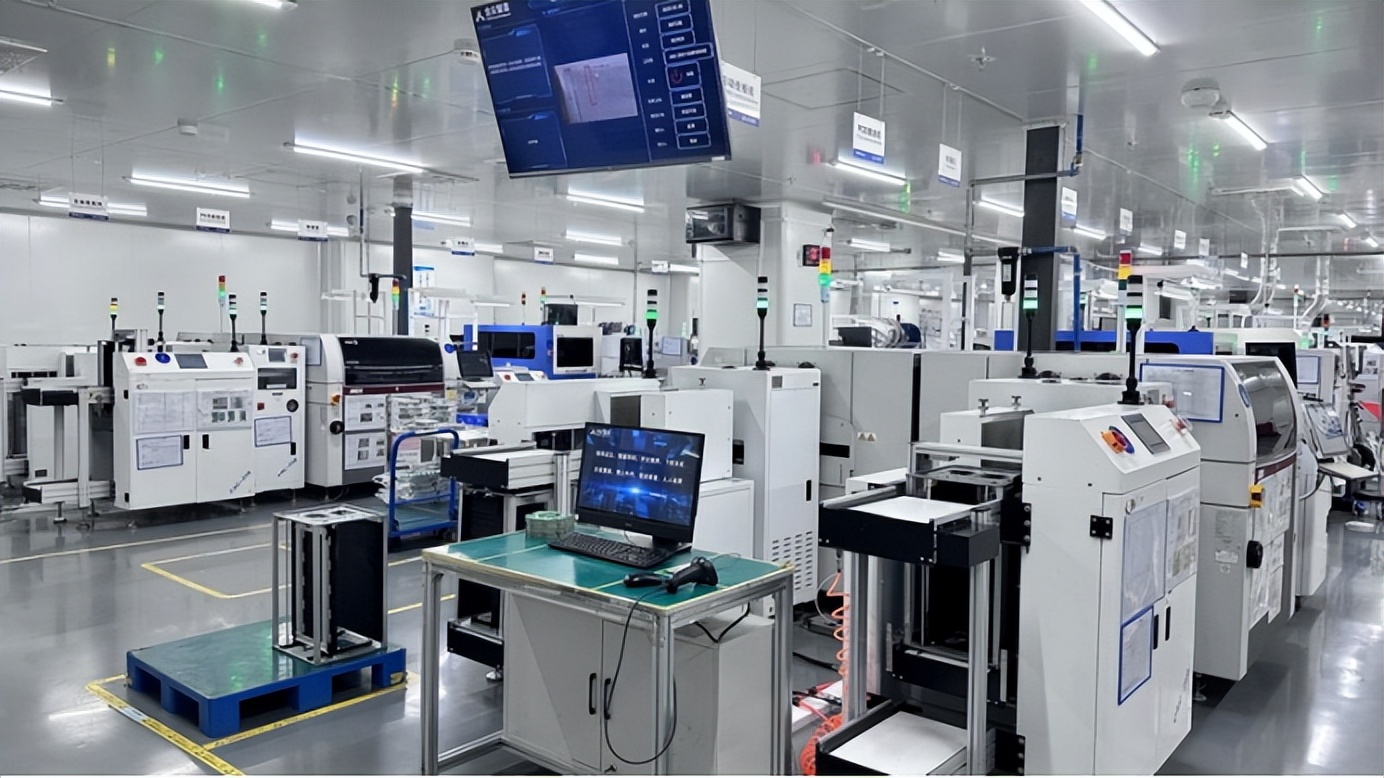
Inside our manufacturing hub: leveraging automation, component level control, and specialized testing pipelines to deliver competitive hardware.
By basing our production in China, we leverage a highly mature component supply ecosystem. We source high-grade raw components, multi-layered PCBs, and specialized capacitors with excellent manufacturing speeds. This density allows us to keep lead times brief, helping buyers scale up compute clusters during sudden expansion initiatives.
Our Quality Assurance process is highly automated. Every PCIe switch and motherboard undergoes automated optical inspection (AOI), high-temperature burn-in testing, and structural stress tests under simulation before packaging. This rigorous approach minimizes early hardware failures, translating directly to lower total cost of ownership (TCO) for global B2B server clients.
Furthermore, our engineering teams collaborate closely with major local component vendors. This close relationship ensures stable allocations of critical chips, power regulators, and memory chips, providing our global buyers with a resilient supply chain even during peak demand periods.
Use the structured matrix below to select hardware configurations aligned with your system scale and processing requirements.
Typical Scenario: Real-time instore video analysis, register tracking, and localized inventory lookup tables.
Typical Scenario: Synchronizing data from hundreds of stores, batch-running replenishment scripts, and handling transactional APIs.
Typical Scenario: Training proprietary recommendation algorithms, processing global customer data pipelines, and running high-concurrency chatbot clusters.
Clear explanations regarding B2B purchasing terms, hardware adaptability, and customization pipelines.
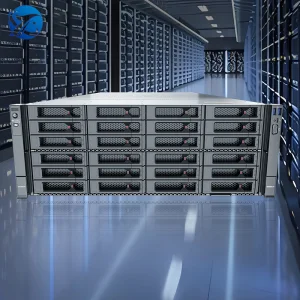
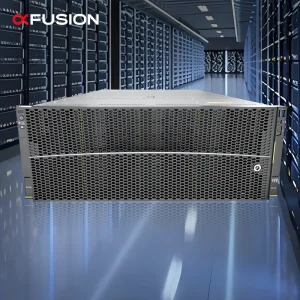
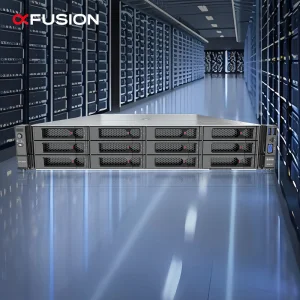
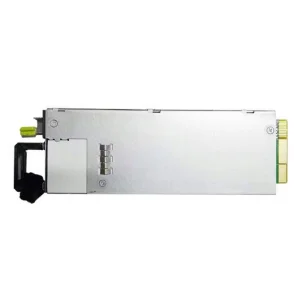
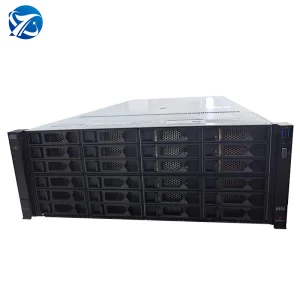
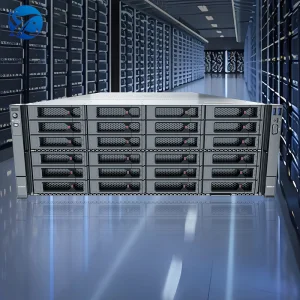
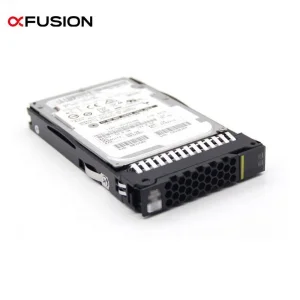
Select server models and high-speed network expansion cards designed to handle heavy retail data transactions and network distribution.
 Aiserveroem