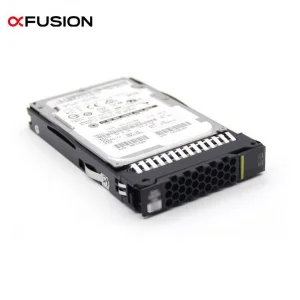
High-throughput RAID controllers, Fibre Channel HBAs, and Enterprise-grade SATA HDDs optimized for high-density compute clusters.
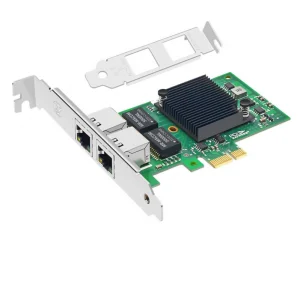
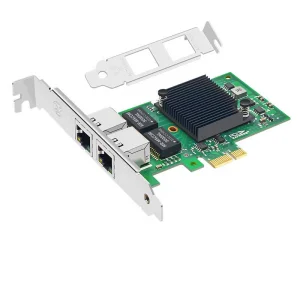
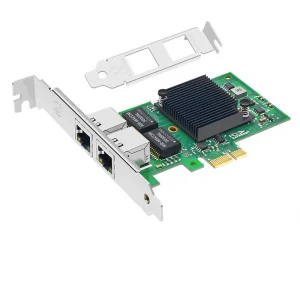
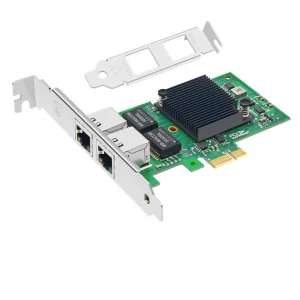
The global enterprise data center ecosystem is undergoing a fundamental structural transition. Driven by the exponential growth of large language models (LLMs), deep learning networks, and High-Performance Computing (HPC), traditional architectures are giving way to high-density accelerated computing platforms. Modern configurations require more than raw processing power; they demand integrated, high-bandwidth, and low-latency storage, memory, and connectivity subsystems. As a result, the engineering and quality standards for server accessories—such as PCIe switches, Host Bus Adapters (HBAs), RAID controller cards, and active signal integrity solutions like retimer boards—have become critical factors in preventing data bottlenecks.
In this high-performance paradigm, server components must perform reliably under strict thermal envelopes and dynamic workloads. Factors like electromagnetic interference (EMI), signal insertion loss, and thermal dissipation are now primary considerations during the architectural design of modern hardware. This whitepaper analyzes how high-specification server accessories directly impact signal integrity, power efficiency, and data availability within cloud ecosystems, offering actionable insights for data center procurement managers and systems architects worldwide.
Optimized hardware designed to prevent physical bottlenecks and maximize computational capability across large networks.
High-density GPU server environments require robust trace routing for PCIe lanes. At PCIe Gen 4.0 and Gen 5.0 speeds, signal degradation over FR4 PCBs limits cable and trace length. Active Retimer Boards dynamically reconstruct signal phases and amplitudes, enabling long trace configurations and stable connections between GPU baseboards and host processors.
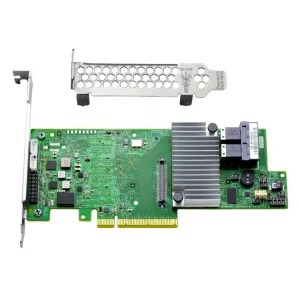
RAID controller cards process high-velocity write/read requests while maintaining hardware parity calculations. Modern LSI 9560 and 9540 controllers utilize onboard DDR4 cache buffers and hardware-level RAID engines, reducing CPU overhead and protecting databases from power disruption.
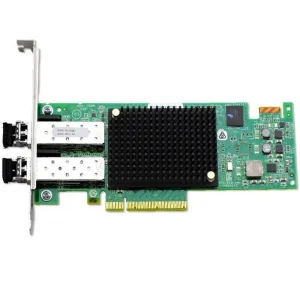
Emulex single and dual-port 32GFC HBA cards are engineered for low-latency Storage Area Networks (SANs). Utilizing high-quality LC SFP28+ transceivers, they ensure stable long-reach and short-reach optical connections for virtualization environments and intensive database clusters.
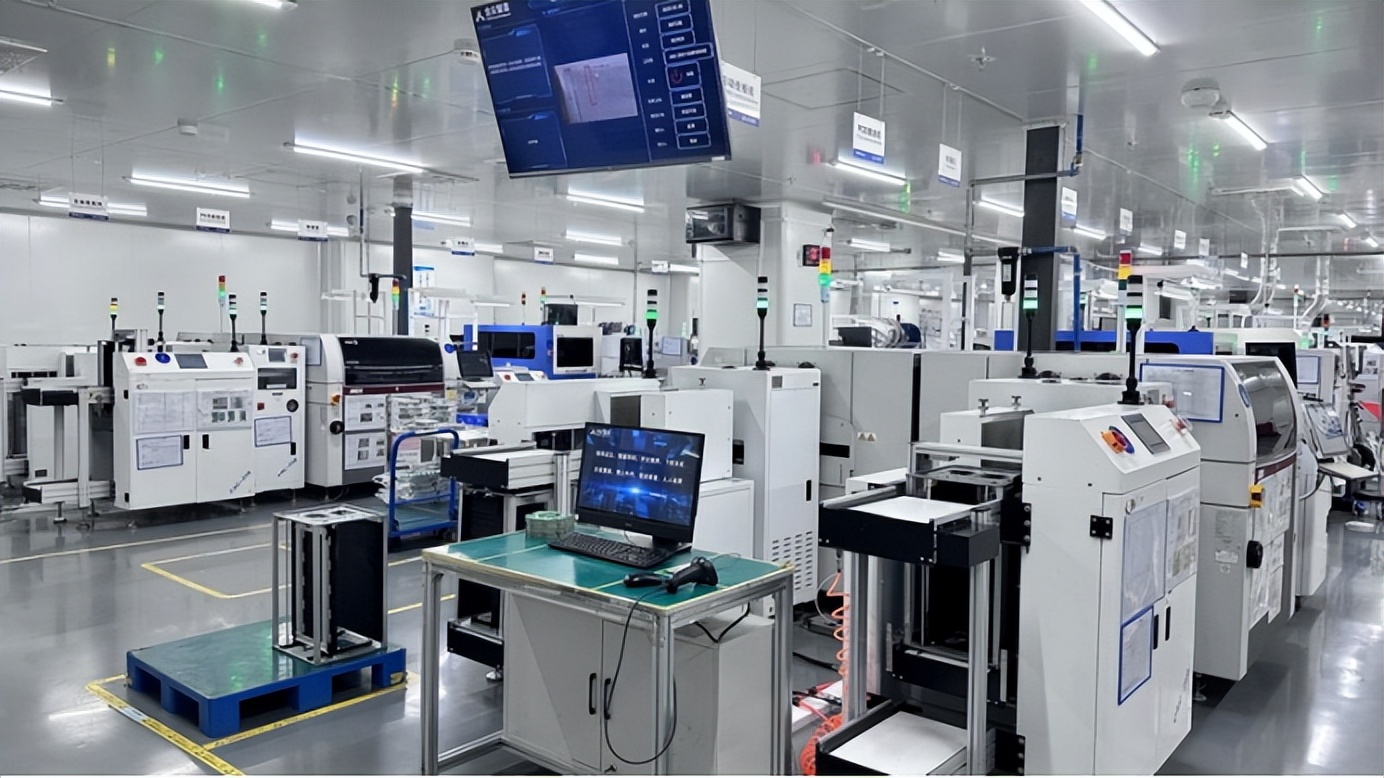
Our collaborative partner, AI Server Technology Co., Ltd., is a professional manufacturer and solution provider specializing in AI computing infrastructure. The company focuses on the design, development, and production of high-performance servers, PCIe switches, GPU baseboards, motherboard solutions, and retimer boards. Their production facilities utilize advanced surface mount technology (SMT) lines and automated optical inspection (AOI) to guarantee defect-free circuitry on multi-layer PCBs.
These components are widely used in AI training, machine learning, high-performance computing (HPC), cloud data centers, and enterprise-level computing environments. With strong R&D capabilities and flexible OEM/ODM services, the company is committed to delivering reliable, scalable, and high-efficiency AI server solutions for global customers.
| Main Product Line | Target Application Areas |
|---|---|
| AI Servers & GPU Servers (High-density multi-GPU clusters) | Artificial Intelligence, Deep Learning Model Training & Inference |
| PCIe Switch Systems & GPU Baseboards (High-throughput topology) | High-Performance Computing (HPC), Massive Parallel Processing |
| Server Motherboards & Retimer Boards (Signal-integrity guaranteed) | Enterprise Cloud Computing Centers, Multi-tenant Public Clouds |
| Storage Subsystems (Enterprise SAS/SATA Controllers) | High-availability data storage, RAID array deployment |

Deploying large-scale server hardware requires adherence to regional certifications and environmental laws. Our manufacturing practices meet strict compliance standards across various markets. For the European Union, all server components, including RAID cards and HBA controller boards, carry the CE Mark and comply with the RoHS Directive, restricting hazardous substances in electronic assemblies. In North America, components comply with FCC Part 15 Class A standards for electromagnetic compatibility in industrial environments.
To support deployment in different regions, we collaborate with localized Field Application Engineers (FAE) who assist with systems integration, firmware updates, and local customs documentation. This reduces system downtime and ensures that import, installation, and deployment processes comply with local data center standards.
As standard compute architectures approach the limits of traditional silicon layouts, our engineering focus is shifting toward next-generation interface technologies:
1. Transitioning to PCIe Gen 6.0: Doubling the bandwidth of Gen 5.0, PCIe Gen 6.0 uses PAM4 (Pulse Amplitude Modulation 4-level) signaling instead of NRZ. Our R&D team is developing new PAM4-compatible Retimer Boards designed to maintain clean signal transitions over high-density copper circuits.
2. Compute Express Link (CXL) Integration: By utilizing memory pooling and caching protocols, CXL allows host CPUs and accelerated accelerators to share memory resources with minimal latency. We are updating our PCIe switch lines to natively support CXL 2.0 and 3.0 standards, which improves memory utilization in large cloud networks.
3. Advanced Liquid Cooling Compatibility: With server power densities regularly exceeding 100kW per rack, standard air cooling is no longer sufficient. Our upcoming line of GPU baseboards, power supplies, and storage adapters is engineered to operate reliably in direct-to-chip and immersion liquid cooling environments, ensuring stable operations up to 85°C.
Technical insights on hardware configurations, physical limitations, and enterprise deployment best practices.
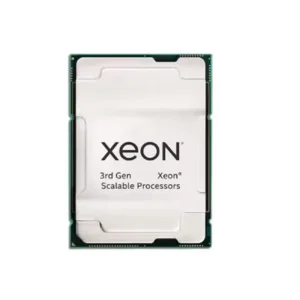
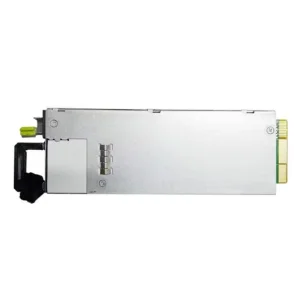
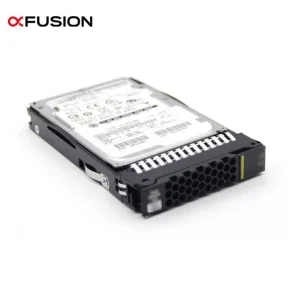
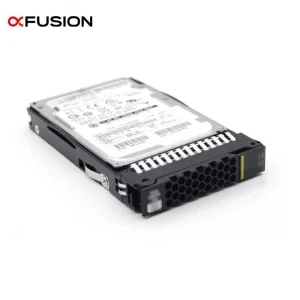
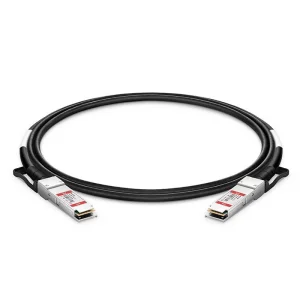
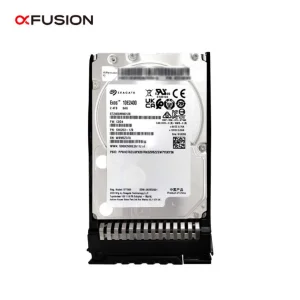
Enterprise processors, redundant power supplies, SAS/SATA drives, DAC cabling, and hybrid NVMe SSDs.
 Aiserveroem