Explore our production-ready network switches and high-density GPU computing nodes designed to tackle latency barriers in complex cluster environments.
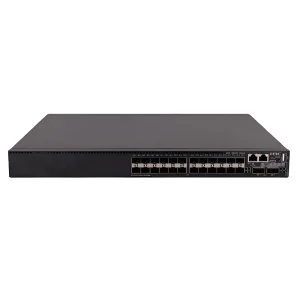
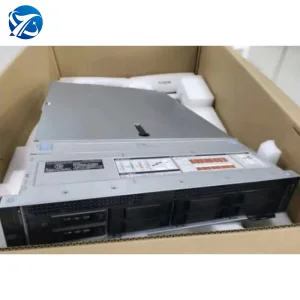
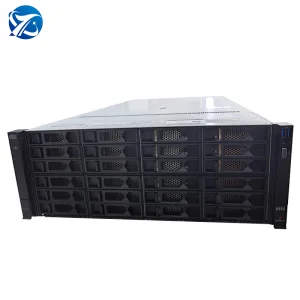
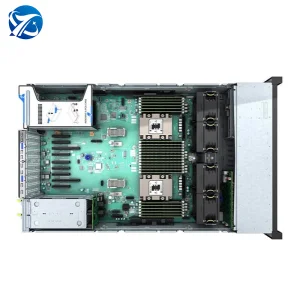
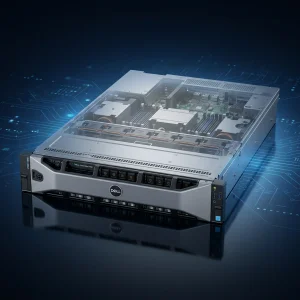
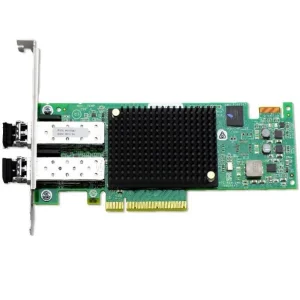
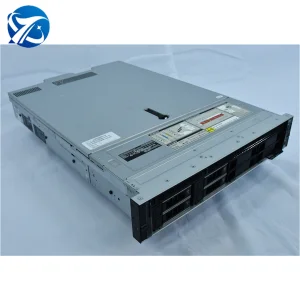
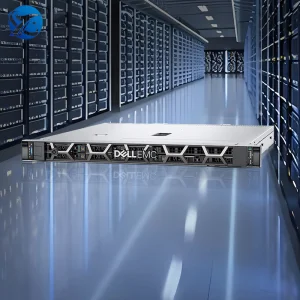
In the modern hyperscale era, the role of a network switch manufacturer and supplier has shifted from providing simple hardware components to delivering fully optimized, non-blocking interconnect fabrics. The exponential growth of Artificial Intelligence (AI) training runs, massive language model training (such as DeepSeek and GPT variations), and high-performance computing (HPC) demands networking equipment capable of handling massive East-West traffic volumes with near-zero packet drop and sub-microsecond latencies.
As enterprises scale their computational boundaries, traditional networking architectures encounter bottlenecks. High-density data transmission requires a systematic redesign of Layer 2 and Layer 3 topologies, PCIe interconnects within the chassis, and advanced congestion control protocols like RoCE v2 (RDMA over Converged Ethernet). When evaluating network switch manufacturers, procurement decision-makers must weigh port density, power efficiency, total non-blocking switching capacity, and software-defined capabilities to ensure long-term architectural stability.
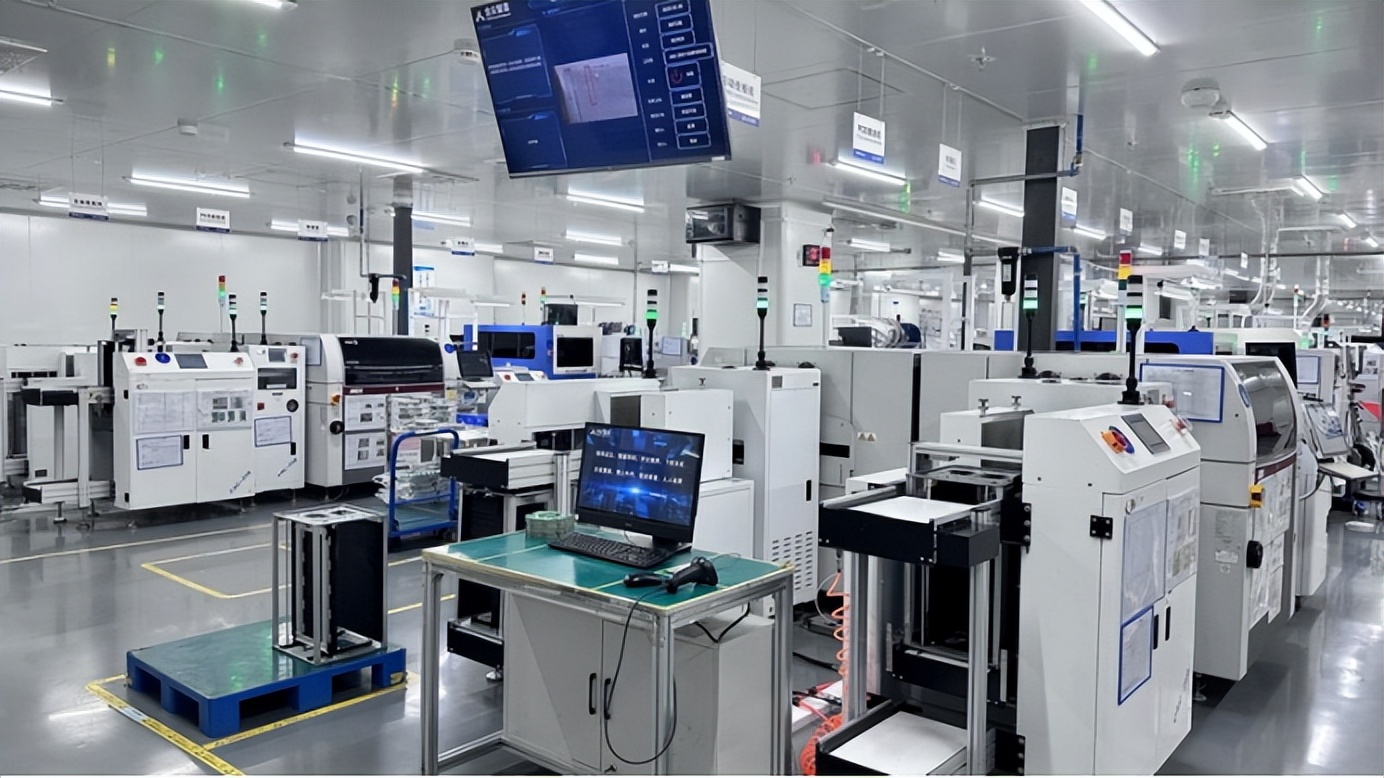
Datacenter structures are evolving rapidly, moving away from classic three-tier topologies towards unified, flat Leaf-Spine architectures. The core driver is the dramatic transition in bandwidth profiles. Traditional 10G/40G backbones have become bottlenecks, forcing the industry to rapidly implement 100G, 400G, and now 800G configurations, with early drafts for 1.6T Ethernet switches already appearing on technical roadmaps.
When selecting a network switch supplier or manufacturing partner, enterprises must look beyond the initial purchase price. The evaluation process demands strict scrutiny of several key variables:
Optimized switching architectures tailored for AI model training, enterprise scale, and ultra-high-density storage networks.
Non-blocking leaf-spine configurations optimized for GPU nodes. Utilizing RoCEv2 to enable zero-copy remote direct memory access across nodes, cutting training time by up to 40% compared to standard TCP networks.
Delivering EVPN-VXLAN functionality to stretch virtual Layer 2 domains across physical boundaries, allowing flexible migration of virtual machines and containers while maintaining security compliance protocols.
Designed for mission-critical solid-state arrays. Incorporates modern NVMe-over-Fabrics (NVMe-oF) support, bringing sub-microsecond roundtrip times and predictable throughput for core database backbones.
As deep learning architectures scale, the density of compute nodes forces a tighter integration of computing, storage, and networking layers. The network switch of tomorrow will not reside exclusively in a separate 1U rackmount chassis. Instead, it is being broken down into distributed elements that operate closer to the CPU and GPU processors.
At AI Server Technology Co., Ltd., we are driving this integration. We design and produce high-performance servers, PCIe switches, GPU baseboards, and Retimer boards. Our hardware pipeline is built to support these critical technological evolutions:
Moving from PCIe Gen 5 to Gen 6 to double raw unidirectional speeds. By managing high-density lanes within the server chassis, we reduce latency between internal accelerator blocks and external network interfaces.
High-frequency signals degrade rapidly over copper traces. Our Retimer boards ensure signal integrity is preserved across longer paths, reducing bit-error rates (BER) and avoiding packet retries.
Every cluster architecture has unique cooling and power distribution profiles. We configure GPU baseboards and motherboard systems to optimize airflow, structural limits, and compute density.

Deploying advanced networking hardware globally requires absolute compliance with national electrical, safety, and radio emission standards. Industrial and enterprise-grade switches must carry certifications including CE, FCC, RoHS, and UL approvals to minimize risk during deployment in regulated zones. Furthermore, our products go through rigorous testing phases, including thermal chamber operations, vibration simulations, and signal margin analysis, ensuring 24/7 reliability in mission-critical environments.
Practical technical answers regarding network configuration, OEM/ODM processes, and integration strategies.
RoCE v2 bypasses the TCP/IP stack of the operating system, allowing one server to directly write to the memory (RAM/VRAM) of another server. This hardware-offloaded communication reduces network latency, lowers host CPU overhead, and enables linear scaling of training efficiency across hundreds of interconnected GPUs.
Our PCIe switches routing Gen 5 signals allow multiple local GPU nodes to communicate at high speed without relying on host CPU resources. The Retimer boards amplify high-speed data signals, maintaining signal integrity over physical distances within the rack to prevent PCIe errors and system instability.
We offer customization across PCB layouts, GPU baseboard pinouts, motherboard features, custom PCIe channel mapping, and thermal dissipation systems. This allows enterprises to optimize server architecture for specialized workloads like machine learning, edge processing, and high-frequency trading.
Incast congestion occurs when many server nodes send packets to a single destination port at the exact same moment. Standard static buffering leads to buffer overflows and packet drops. Dynamic packet buffering automatically allocates memory pool resources to congested ports, ensuring smooth data flow and eliminating packet transmission retries.
Yes. Many of our network hardware designs support the ONIE (Open Network Install Environment) boot loader, enabling customers to install the open-source SONiC operating system. This allows organizations to build unified, automated, and software-defined network management systems across diverse hardware platforms.
We utilize advanced vector network analyzers, digital oscilloscopes, and automated test software to measure insertion loss, return loss, and crosstalk across all copper traces. Our layouts are designed using strict impedance controls to guarantee reliable operation at high speeds (such as PCIe Gen5 32GT/s and 112G PAM4 lines).
Company Profile:
AI Server Technology Co., Ltd. is a professional manufacturer and solution provider specializing in AI computing infrastructure. We focus on the design, development, and production of high-performance servers, PCIe switches, GPU baseboards, motherboard solutions, and retimer boards.
Our products are widely used in AI training, machine learning, high-performance computing (HPC), cloud data centers, and enterprise-level computing environments.
With strong R&D capabilities and flexible OEM/ODM services, we are committed to delivering reliable, scalable, and high-efficiency AI server solutions for global customers.
Main Products:
Application Areas:
Artificial Intelligence, Deep Learning, HPC, Cloud Computing, Data Centers
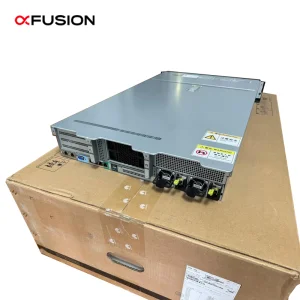
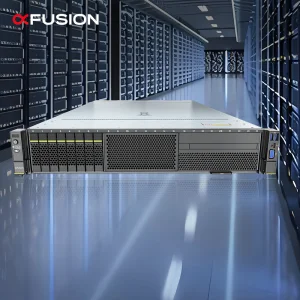
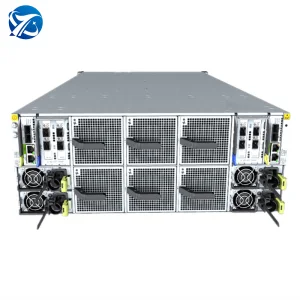
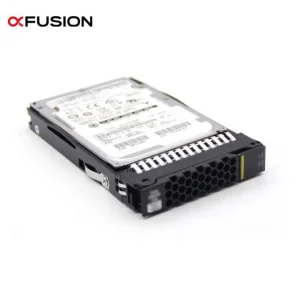
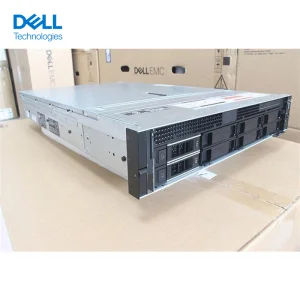
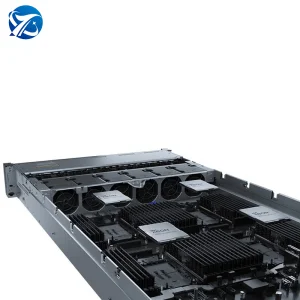
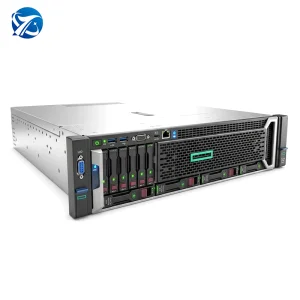
High-efficiency rack servers, storage expansion nodes, and SSD hardware designed for enterprise datacenters.
 Aiserveroem