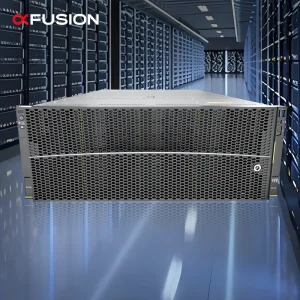
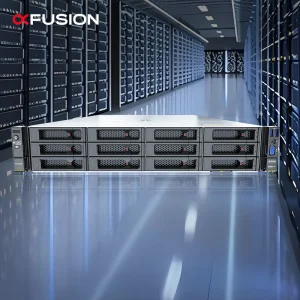
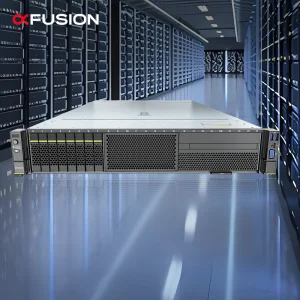
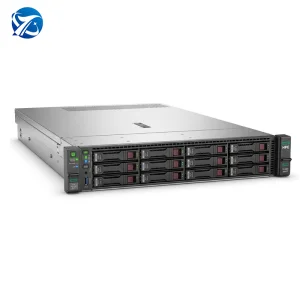
In an increasingly interconnected world, the reliance on high-efficiency digital collaboration tools has shifted from a regional convenience to a baseline standard for global enterprise operation. Real-time video conferencing, AI-driven interactive whiteboards, simultaneous multi-editor cloud documents, and virtual desktop infrastructures (VDI) represent the modern standard of teamwork. However, the software frontends that power daily corporate interactions rely on a dense, heavy-duty network of physical computing infrastructure backends. Real-time collaboration platforms demand ultra-low latency, extreme data throughput, and complex computation capabilities.
Currently, the global computing hardware market is adapting to the explosion of Large Language Models (LLMs) and collaborative generative AI applications. Global enterprises are rapidly upgrading their conventional cloud nodes to GPU-accelerated computing architectures. This evolution allows collaborative AI agents to assist teams in code generation, project management, automatic transcript summarization, and interactive modeling in real-time. Consequently, purchasing requirements have migrated toward highly scalable servers equipped with high-speed PCIe pipelines, optimized GPU baseboards, and next-generation storage components.
Collaboration software functions via rapid data transactions. When multiple users operate inside a collaborative CAD design space, a shared coding environment, or an interactive virtual training simulation, the server must process dozens of discrete inputs per millisecond. This workload requires hardware specifically tuned for high concurrency, quick memory access (such as DDR5 integration), and reliable SAS/SATA/NVMe storage arrays.
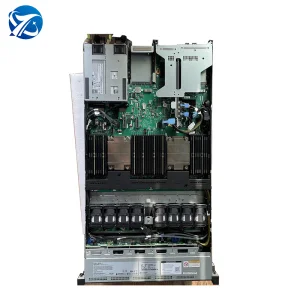
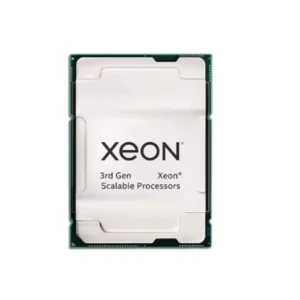
Multi-socket computing designs, utilizing Intel Xeon Scalable Processors, ensure that thousands of simultaneous video streams and collaborative edit actions are categorized and processed concurrently without system thread choking.
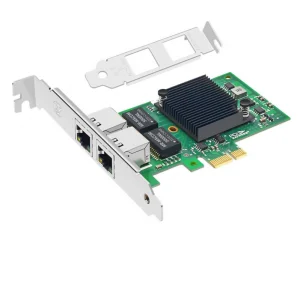
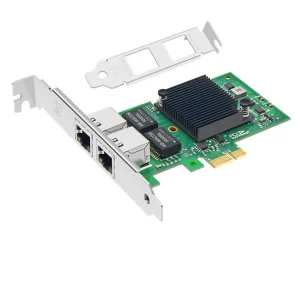
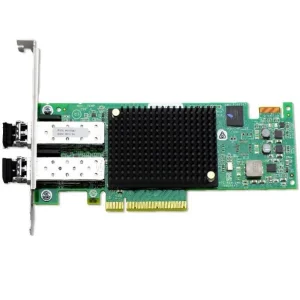
PCIe Switch systems combined with high-grade Retimer Boards guarantee that data passing between GPUs, storage drives, and network interfaces does not suffer degradation, keeping operations in perfect synchronization.
Advanced RAID Controller Cards (like the 9540-8i RAID PCIe 4.0) manage vast disk arrays with zero-downtime tolerance. This protects dynamic enterprise assets, document repositories, and central code branches from data corruption.
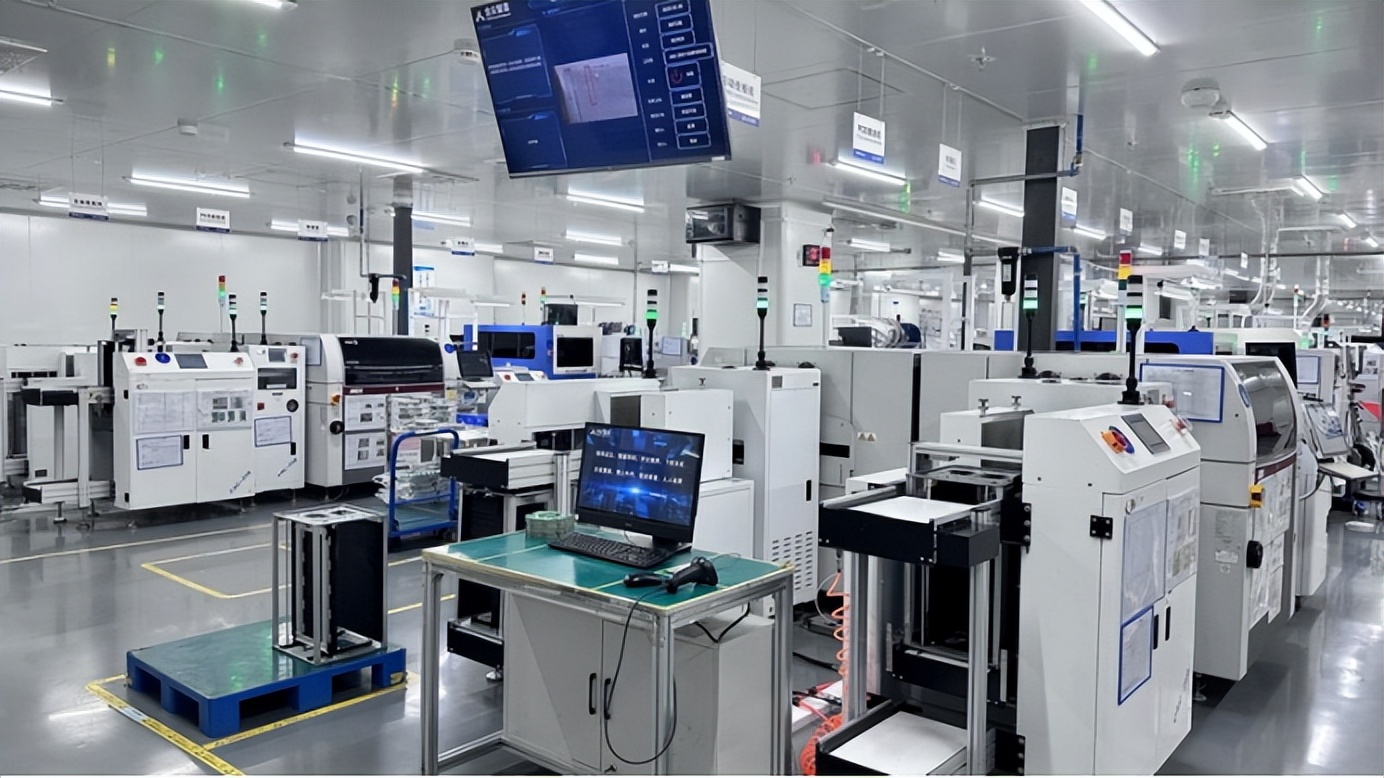
China's manufacturing ecosystem plays a crucial role in the production and distribution of enterprise computing hardware. Through localized production facilities in manufacturing centers like Shenzhen, Dongguan, and Suzhou, factories achieve unmatched supply chain integration. The transition from design to PCB layout, thermal engineering, SMT assembly, testing, and distribution occurs in close proximity, reducing production time.
Furthermore, component sourcing is highly optimized. Essential hardware components—ranging from structural chassis, server heatsinks, and power supply units (such as 1500W redundant PSUs) to active electronic elements like PCIe switches and Retimer boards—are sourced locally. This localized ecosystem limits raw material supply bottlenecks.
For international procurers, sourcing from a China-based infrastructure exporter translates to distinct commercial benefits:
Enterprise computing hardware is deployed across a range of specialized operational scenarios. Selecting the right hardware layout depends on the demands of the specific environment:
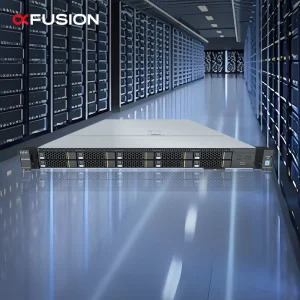
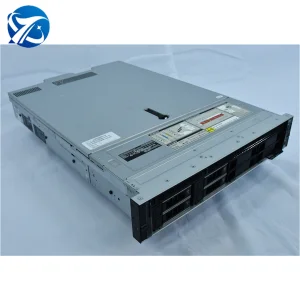
VDI deployments run virtual Windows or Linux systems on localized servers, transmitting visual frames back to remote employees. High-density servers equipped with dual Intel Xeon processors and significant RAM capacities allow single-node setups to host up to 100+ concurrent workers without interface latency.
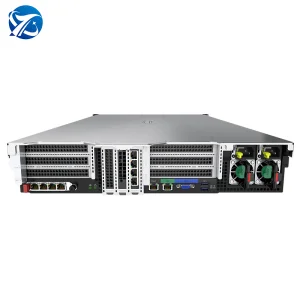
Collaborative architectural and media production projects involve substantial computational loads. GPU-based servers, such as the xFusion G5500 V6, handle high-intensity graphics rendering, allowing multiple designers to edit 3D spaces simultaneously in real-time.
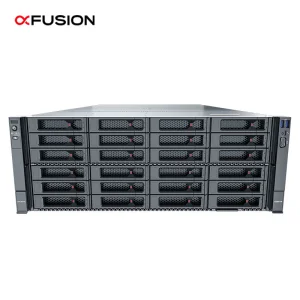
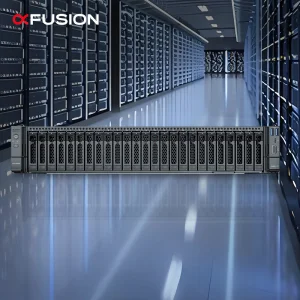
For organizations with high security requirements, off-the-shelf public cloud storage is not always viable. Custom storage servers (NAS) with RAID configurations ensure secure document repositories and local communication history backups remain entirely in-house.
As the digital collaboration industry evolves, several primary hardware-related trends are emerging:
These changes highlight the importance of choosing hardware partners who understand both physical component design and high-frequency signal characteristics.
Company Profile: AI Server Technology Co., Ltd. is a professional manufacturer and solution provider specializing in AI computing infrastructure. We focus on the design, development, and production of high-performance servers, PCIe switches, GPU baseboards, motherboard solutions, and retimer boards.
Our products are widely used in AI training, machine learning, high-performance computing (HPC), cloud data centers, and enterprise-level computing environments. With strong R&D capabilities and flexible OEM/ODM services, we are committed to delivering reliable, scalable, and high-efficiency AI server solutions for global customers.

 Aiserveroem