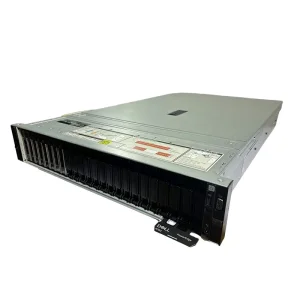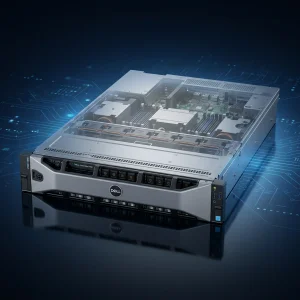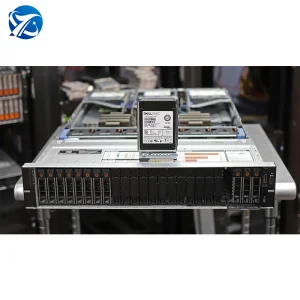
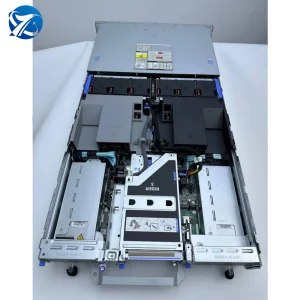
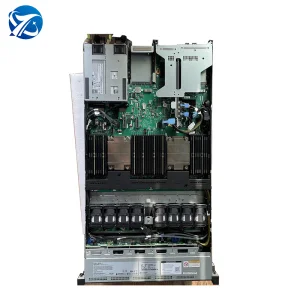
As Germany’s premier maritime logistics hub and a cornerstone of European aerospace manufacturing, the Metropolitan Region of Hamburg is rapidly evolving into a focal point for decentralized artificial intelligence deployment. Unlike general-purpose cloud computing, the specific business models active in Hamburg—such as smart port container routing at the HHLA terminal, aerodynamic simulations for Airbus assembly lines in Finkenwerder, and real-time trade optimization algorithms—require hyper-localized, ultra-low latency compute resources.
To achieve digital sovereignty and meet strict European Union data protection regulations (GDPR), Hamburg enterprises are steering away from pure public cloud solutions. The preference is shifting toward robust hybrid installations and secure on-premises AI server clusters. High-performance GPU systems enable local institutions, from private maritime corporations to scientific research centers like DESY, to train localized Large Language Models (LLMs) and execute complex Computer Vision tasks while keeping data custody entirely within local boundaries.
AI infrastructure driving predictive maintenance, terminal automation, autonomous crane operations, and maritime weather routing systems across the Elbe estuary.
High-performance double-precision GPU nodes powering complex computational fluid dynamics (CFD) and structural analysis for regional aviation leaders.
Strict compliance on-premises setups containing sensitive German intellectual property, bypassing cloud latency and geopolitical data risks.
The global race for generative AI supremacy has created an unprecedented surge in demand for compute power. Modern training methodologies, including massive multi-billion parameter configurations (such as DeepSeek and GPT-class foundational models), depend heavily on multi-GPU interconnectivity. Standard CPU platforms are no longer sufficient; instead, enterprise buyers must look to dense GPU servers paired with advanced high-speed switching boards.
At this scale, the primary system bottle-necks occur in inter-GPU bandwidth and signal integrity over high frequencies. This has forced the rapid adoption of PCIe Gen 5 architectures and dedicated Retimer boards. Without precision-designed switch topologies, thermal and electrical losses can degrade performance by up to 30%. Our products directly address these hardware challenges, featuring industry-leading signal isolation and optimized layout geometry.
Our manufacturing facility located in Shenzhen, China, represents the cutting edge of electronic production. By operating at the heart of the global electronics supply chain, we are able to source certified raw components, perform advanced multi-layer PCB routing, and test finished hardware arrays within cycles that are impossible in Western markets. This localized supply chain ecosystem ensures we maintain an unmatched manufacturing efficiency that translates directly into cost advantages and accelerated lead times for Hamburg buyers.
Every AI server we build undergoes rigorous burn-in tests, simulation of heavy computing loads, and environmental testing. Our proprietary GPU baseboards and PCIe switches are developed under strict quality management frameworks, guaranteeing structural durability and electrical stability. Additionally, our flexible OEM and ODM programs allow our German and international clients to order tailored chassis designs, custom motherboard layouts, and dedicated cooling loops optimized for their local facility infrastructures.
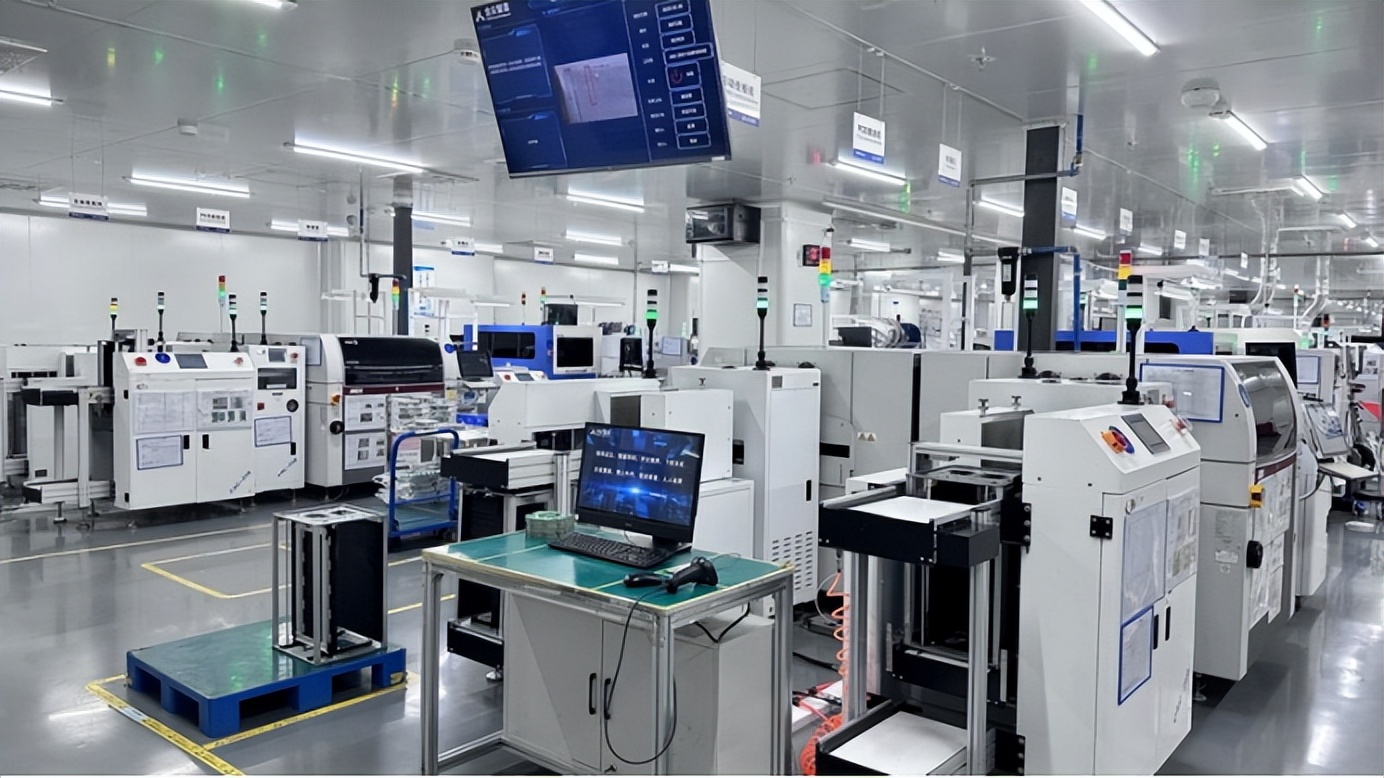
Figure 1: Fully automated surface-mount technology (SMT) and assembly line for GPU system boards.
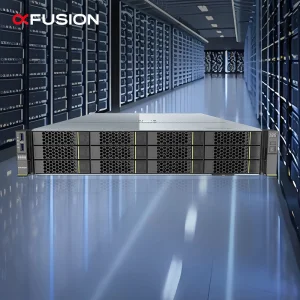
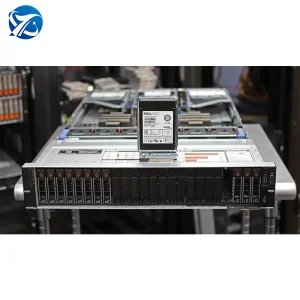
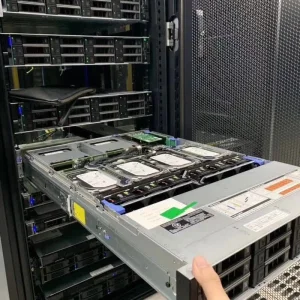
To design compute units capable of maintaining peak floating-point operations (FLOPS), it is crucial to analyze the sub-system level architecture. Signal attenuation remains the primary obstacle when transferring data at PCIe Gen 5 speeds (32 GT/s per lane) across long trace lengths from the host CPU to the GPU accelerator tray.
Our engineering team focuses specifically on three core architectural pillars:
We develop low-latency PCIe switches that enable direct peer-to-peer memory addressing (GPUDirect RDMA) without going through the main host processor. This bypass drastically minimizes overhead, allowing multi-GPU rigs to act as a unified large-memory node.
Using high-glass-transition-temperature (High-Tg) substrates and advanced layer stacks, our baseboards support maximum power envelopes (up to 700W+ per accelerator slot) while minimizing thermal distortion and signal crosstalk.
Positioned along the high-frequency lanes, our Retimer boards actively reconstruct and re-time signals, correcting jitter and physical degradation to ensure zero-loss transmissions across complex interconnect layouts.
Applying high-performance compute architecture within regional industries requires localized domain knowledge. Here are the primary application sectors where our AI servers deliver immediate economic advantages:
Managing global supply routes requires handling immense coordinate and shipping databases simultaneously. Running neural networks on-site allows the port Authority and shipping conglomerates to forecast yard congestion, optimize container stacking paths, and coordinate automated guided vehicles (AGVs) in real-time. This eliminates reliance on cloud roundtrips, ensuring zero-latency operations even during network disruptions.
Aerospace engineering stands out due to its rigid safety margins. Simulations demand vast double-precision calculations. By deploying GPU nodes locally within internal R&D networks, aviation engineers can run aerodynamic, structural, and acoustic simulations securely without risking data leakage or violating strict intellectual property defense guidelines.
Importing complex computing equipment from China into Germany requires planning around compliance, logistics, and quality assurance. As a trusted global exporter serving the German market, we simplify this integration by ensuring full alignment with European standards.
All servers and subcomponents are CE-certified, complying with RoHS and WEEE directives, ensuring hassle-free clearance through German customs.
We offer flexible shipping routes including Express Air Freight to Hamburg Airport (HAM) or direct container shipment via the port of Hamburg.
We provide complete remote support for server integration, firmware updates, and local hardware configuration matching European grids.
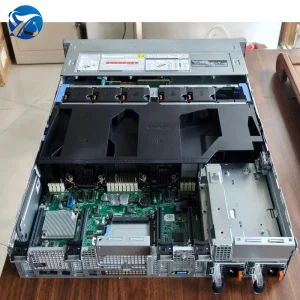
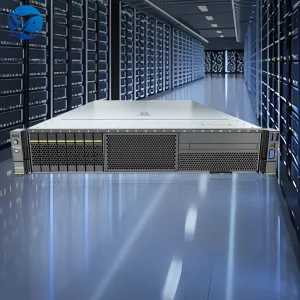
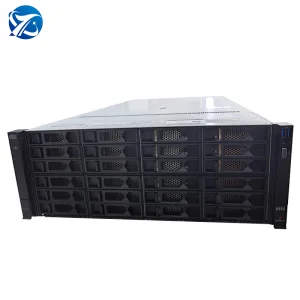
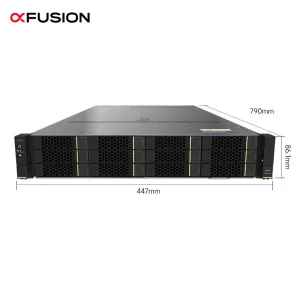
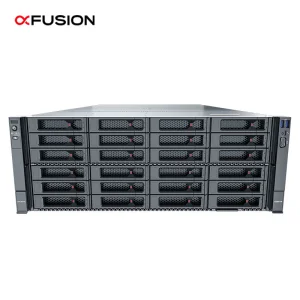
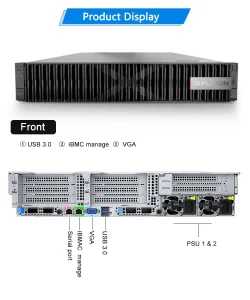
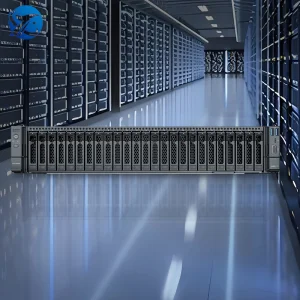
AI Server Technology Co., Ltd. is a professional manufacturer and solution provider specializing in AI computing infrastructure. We focus on the design, development, and production of high-performance servers, PCIe switches, GPU baseboards, motherboard solutions, and retimer boards.
Our products are widely used in AI training, machine learning, high-performance computing (HPC), cloud data centers, and enterprise-level computing environments.
With strong R&D capabilities and flexible OEM/ODM services, we are committed to delivering reliable, scalable, and high-efficiency AI server solutions for global customers.
Artificial Intelligence, Deep Learning, HPC, Cloud Computing, Data Centers

Figure 2: Quality assurance workflows and hardware testing procedures.
 Aiserveroem