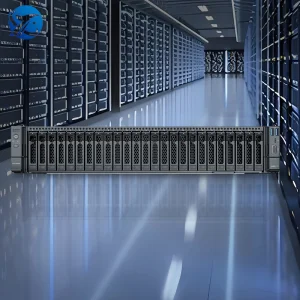
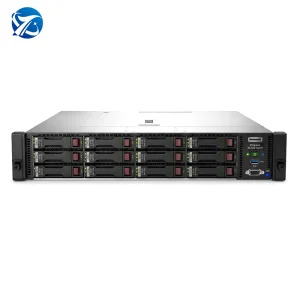
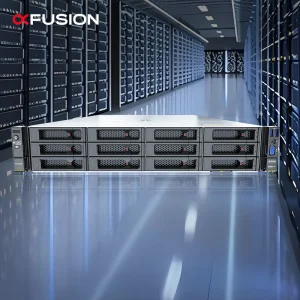
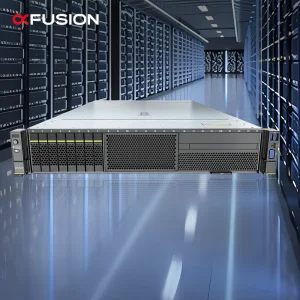
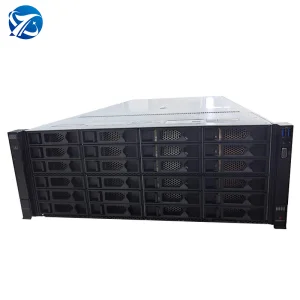
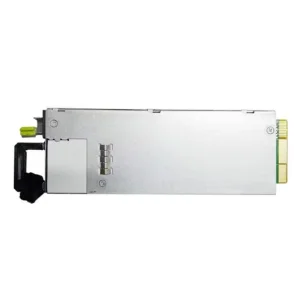
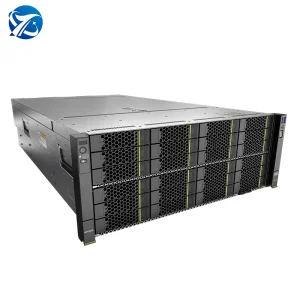
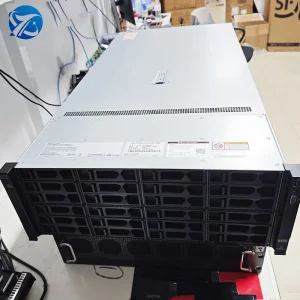
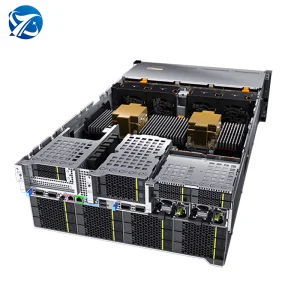
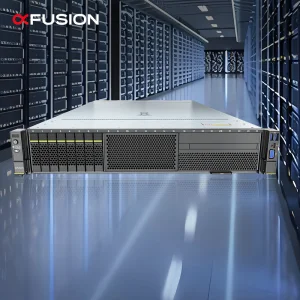
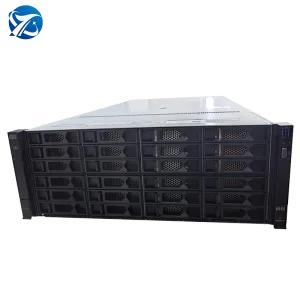
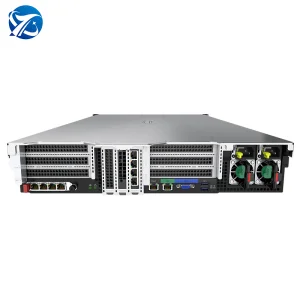
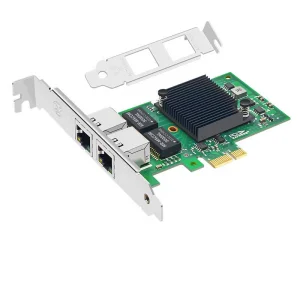
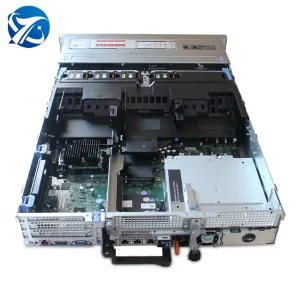
Explore our flagship catalog featuring ready-to-deploy L10 rack servers, scalable GPU nodes, and high-performance PCIe accelerators designed for modern data centers.
The global demand for high-performance computing (HPC) has transitioned from traditional general-purpose CPU compute units to hyper-specialized, GPU-accelerated computing nodes. Deep learning models, large language models (LLMs) such as DeepSeek, and massive neural network training loops are forcing data centers to rethink their architectural topologies. At AI Server Technology Co., Ltd., we sit at the intersection of structural innovation and hardware reliability. As a tier-1 OEM/ODM branding manufacturer and supplier, we specialize in translating complex computational needs into physical, high-integrity server products.
In the current market, ready-made server solutions often fall short of satisfying the precise balance of thermal parameters, custom network topologies, and high-density storage access patterns. Our bespoke engineering services bridge this gap. By offering customizable options across the hardware stack—ranging from bare motherboards and customized GPU baseboards to PCIe switches and PCIe Gen 5 Retimer boards—we enable cloud service providers, large enterprises, and AI researchers to scale their architectures without sacrificing power efficiency or data integrity.
Modern workloads require unprecedented levels of bandwidth. The integration of high-bandwidth memory (HBM3e), ultra-dense PCIe lanes, and direct liquid cooling loops has made the design of high-density nodes a highly complex engineering discipline. To maintain signal integrity at Gen 5 and Gen 6 speeds, hardware design cannot be treated as a simple puzzle. It requires careful material selection (such as Ultra-Low Loss PCBs), highly optimized layout trace routing, and precise clock distribution systems.
Through our comprehensive R&D pipeline, we ensure that every motherboard, baseboard, and PCIe switch chassis is manufactured to minimize insertion loss, crosstalk, and electrical interference. This ensures that massive AI workloads can run continuously for days or weeks without experiencing localized hardware faults or PCIe bus drops.
Custom server nodes utilizing state-of-the-art architectures (such as xFusion, HPE ProLiant, and Dell PowerEdge form factors) optimize thermal behavior and space efficiency for deep learning training and high-speed inference clusters.
High-density PCIe switches enable direct peer-to-peer GPU communication and flexible NVMe pools, bypassing CPU bottlenecks and increasing throughput across massive datasets.
Compensate for signal loss in long trace paths. Our high-frequency Retimers regenerate PCIe Gen 5 signals, keeping latency low and data streams flawless across multi-node topologies.
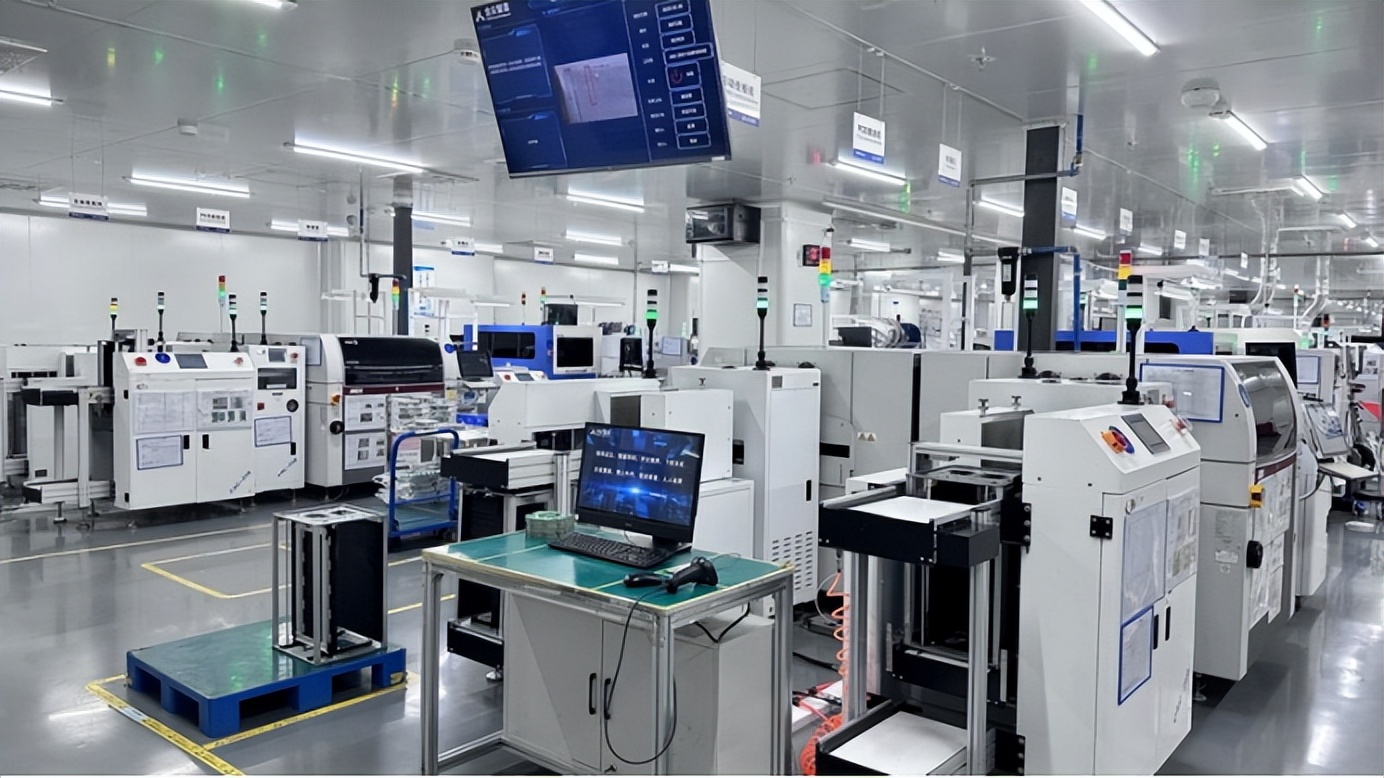
AI Server Technology Co., Ltd. is a leading manufacturer specializing in AI computing infrastructure solutions. We support global customers with flexible, high-capacity OEM/ODM services from initial design concept to prototype validation, testing, compliance, and large-scale manufacturing.
Our solutions cater directly to artificial intelligence deployments, deep learning models, High-Performance Computing (HPC), cloud datacenters, and enterprise-level container systems. Whether you are building an energy-efficient liquid-cooled cluster or scaling SSD caching systems for high-frequency trading platforms, our engineering team provides the required modularity.
We work closely with global system integrators to build robust hardware platforms. By maintaining strategic relationships with major silicon manufacturers, memory suppliers, and power supply vendors, we build server solutions that minimize integration risks and significantly shorten time-to-market.
The server OEM/ODM model is moving away from basic "white label" design toward collaborative, software-hardware co-design. Custom brand-name suppliers no longer just apply a logo to a generic metal cover. Hyperscalers and large enterprises demand hardware with custom firmware, optimized BIOS configurations, custom-designed Baseboard Management Controllers (BMC) with proprietary security protocols, and specific chassis layouts optimized for internal rack environments.
This branding evolution is fueled by several core shifts:
Securing key compute elements is one of the biggest challenges for contemporary CIOs and datacenter operators. Hardware sourcing can be disrupted by component shortages, shipping bottlenecks, and shifting tariffs. Establishing partnerships with vertically integrated OEM/ODM suppliers provides companies with much-needed supply chain flexibility.
AI Server Technology Co., Ltd. addresses this challenge by qualifying dual-source suppliers for passive and active components, using standard modular designs (such as OCP Open Compute Project form factors), and keeping inventory of raw PCBs, chassis components, and power components. This ensures reliable supply pipelines even during peak demand seasons.
As we transition toward PCIe Gen 6 and Gen 7, standard PCB trace materials can no longer reliably carry high-frequency signals over typical distances. To address this, our design team is exploring advanced technical pathways:

Delivering high-capacity servers to data centers worldwide requires strict adherence to international regulatory and safety guidelines. Every platform designed and manufactured at our facilities undergoes extensive testing before being shipped to global customers.
Our validation process includes:
Furthermore, we offer post-deployment hardware support. Through localized engineering services, our partners can access replacement motherboards, power supplies, switch modules, and storage nodes quickly, minimizing downtime and maintaining service availability.
Get answers to common technical, design, and sourcing questions about custom GPU systems and custom rack layouts.
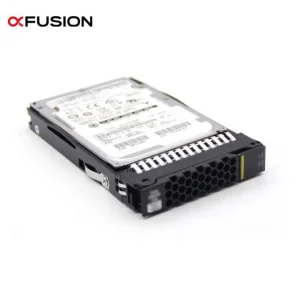
Complete your deployment with our range of high-performance components, storage drives, and computing modules.
 Aiserveroem