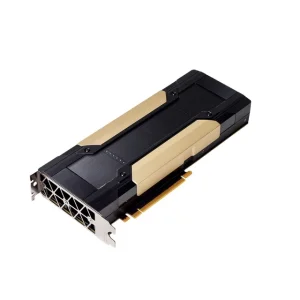
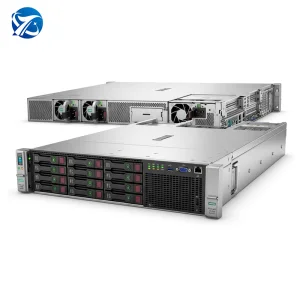
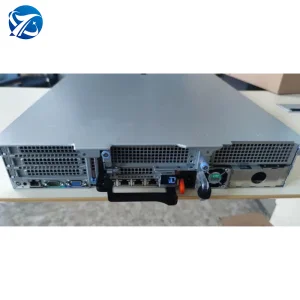
High-performance AI server racks, motherboards, switch components and high-density memory options built for modern analytical workflows.
Modern Business Intelligence (BI) has transcended static reporting and standard database querying. Today, global enterprises rely on real-time data mining, predictive analytics, and conversational intelligence systems driven by LLMs (Large Language Models) such as DeepSeek. This evolution demands a radical shift in underlying hardware architectures. Standard CPU-reliant computing structures no longer suffice; high-throughput, GPU-accelerated computing nodes combined with ultra-fast interconnect layouts represent the new baseline for global data operations.
"Information Gain in the era of artificial intelligence is determined by data density and processing throughput. The organizations that compute complex queries faster achieve immediate market supremacy. This is why standard configurations are yielding to customized OEM/ODM servers designed specifically for heavy analytical and AI workloads."
As a leading Custom OEM Business Intelligence Supplier & Exporter, AI Server Technology Co., Ltd. addresses this transition directly. Our hardware ecosystem combines high-performance servers, specialized PCIe switches, and GPU baseboards with retimer boards designed to resolve signal degradation. By optimizing every layer from memory bandwidth to high-density PCIe lanes, we facilitate low-latency database queries, massive data ingestion, and rapid deep learning training cycles.
The operational efficiency of enterprise Business Intelligence applications is heavily bound to hardware capability. Our designs optimize three primary areas:
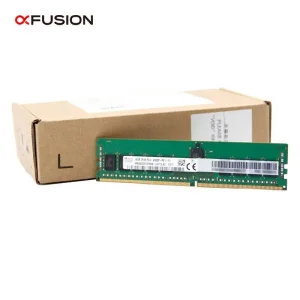
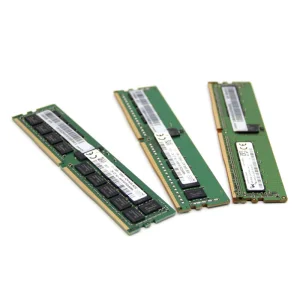
Analytical engines load multi-terabyte datasets into system memory for sub-second processing. Employing ECC DDR4 and DDR5 RDIMM modules ensures data integrity while maintaining massive multi-channel communication pipelines, eliminating traditional database swap latency.
For deep learning models and matrix calculations essential to predictive BI, GPUs must communicate directly. Our high-density PCIe Switch platforms minimize bottlenecking, ensuring zero-latency data transfers across complex multi-GPU grids.
Operating PCIe Gen 4 or Gen 5 signals over physical traces introduces severe attenuation issues. Integrating dedicated Retimer Boards guarantees stable signal transmission, minimizing packet loss and maximizing throughput across the storage and networking array.
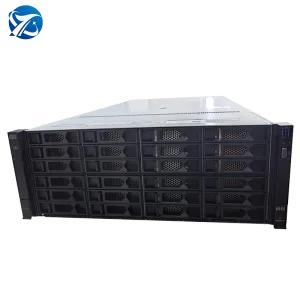
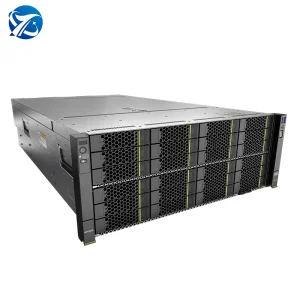
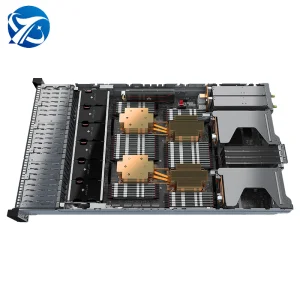
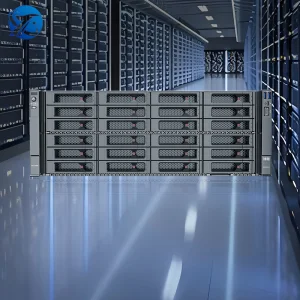
By tailoring server chassis dimensions (from 1U rackmounts to 4U enterprise workstations) and power distribution boards, AI Server Technology Co., Ltd. builds solutions that blend seamlessly into existing data centers while boosting compute density. The inclusion of high-performance components ensures that BI operations run uninterrupted, even under heavy computational stress.
Procuring computing infrastructure requires more than reviewing spec sheets. Global enterprise buyers look for hardware solutions that offer lower Total Cost of Ownership (TCO), predictable supply chains, and adherence to strict regulatory standards. As a custom OEM exporter, we recognize that procurement needs differ based on operational scale and application focus:
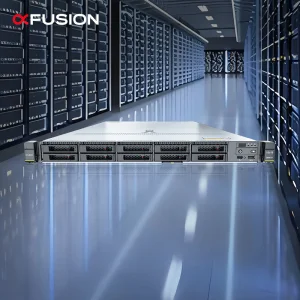
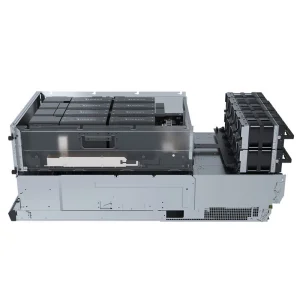
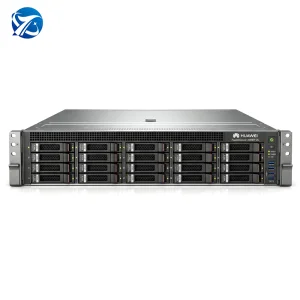
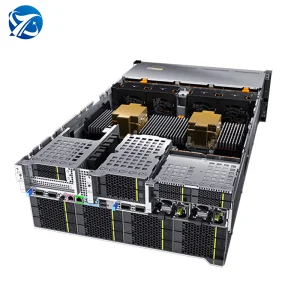
High-frequency query processing platforms require substantial amounts of ECC RAM to prevent data corruption during massive database indexing operations. Hardware options like the XFusion Fusionserver DDR4 RDIMM series offer dual-rank configurations and speeds of 3200MHz, providing the reliability required by critical business applications. Meanwhile, enterprises running advanced AI-driven search models prefer dedicated AI servers like the FusionServer G8600 V7, which supports multiple PCIe GPUs to accelerate deep learning workflows.
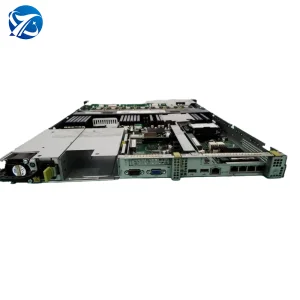
Furthermore, sourcing coordinators look for systems that mitigate the risks associated with multi-vendor integration. By choosing an OEM supplier that designs and manufactures motherboards, GPU baseboards, and PCIe switch layouts in-house, companies ensure system compatibility and simplify post-sales support.
To maximize return on investment, computing infrastructure must align with the specific software architecture it hosts. Different business intelligence and data mining frameworks impose unique workloads on hardware:
AI Server Technology Co., Ltd. designs and builds custom configurations that balance compute power, storage speed, and network throughput, giving companies the hardware reliability needed to support advanced analytics applications.
AI Server Technology Co., Ltd. is a professional manufacturer and solution provider specializing in AI computing infrastructure. We focus on the design, development, and production of high-performance servers, PCIe switches, GPU baseboards, motherboard solutions, and retimer boards.
Our products are widely used in AI training, machine learning, high-performance computing (HPC), cloud data centers, and enterprise-level computing environments.
With strong R&D capabilities and flexible OEM/ODM services, we are committed to delivering reliable, scalable, and high-efficiency AI server solutions for global customers.
Main Products & Components:
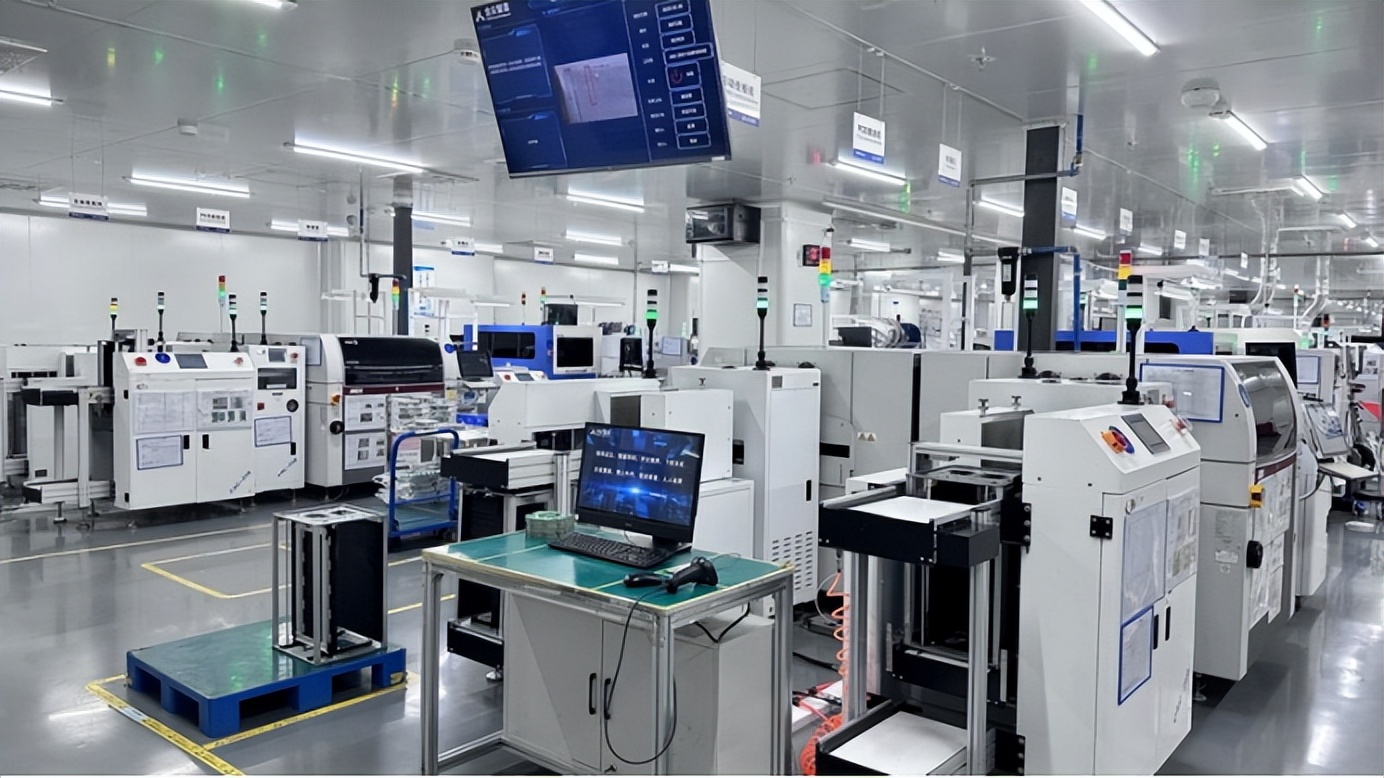

Deploying data centers globally requires strict compliance with international electronic design and safety standards. Every server chassis, PCIe switch board, and high-performance component exported by AI Server Technology Co., Ltd. undergoes rigorous testing, including FCC, CE, RoHS, and UL certifications. This ensures compliance with local grid layouts, thermal requirements, and safety policies in key markets like North America, Europe, and Asia-Pacific.
Additionally, we work closely with system integrators to offer customized BIOS/BMC firmware configurations, making it easier to integrate our hardware into existing remote management platforms (IPMI 2.0 / Redfish). This helps IT staff monitor system health, temperatures, fan speeds, and memory status without needing physical access to the rack.
The transition toward PCIe Gen 6 and Gen 7 architectures, along with CXL (Compute Express Link), will continue to redefine how memory and compute resources interact. As data volumes grow, traditional physical layouts face limits in power delivery and thermal management. Our R&D roadmap centers on developing liquid-cooled chassis, high-efficiency power units, and optical interconnects to bypass copper signal limitations.
By designing our hardware platforms with future upgrades in mind, we help protect our clients' investments. For example, motherboards and GPU baseboards are engineered to allow upgrades to next-generation processors and switches without requiring a full chassis replacement.
Technical and procurement answers regarding Custom OEM Business Intelligence hardware.
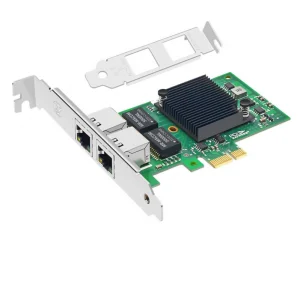
Retimer Boards are crucial for maintaining signal integrity over PCIe paths. As systems move to PCIe Gen 4 and Gen 5, signals degrade over physical circuit board distances. Retimers reconstruct and retransmit clean physical signals, preventing packet errors and ensuring stable, high-speed data flow between GPUs, storage arrays, and network cards.
Error-Correcting Code (ECC) memory automatically detects and corrects single-bit memory corruption. In large-scale BI operations and in-memory database queries, a single bit error can lead to system crashes or incorrect data outputs. ECC RDIMM modules ensure high reliability and data consistency during intensive computations.
PCIe Switch systems bypass CPU constraints by allowing GPUs to communicate directly with one another. This peer-to-peer communication path is essential for complex machine learning models, accelerating training times and query processing by avoiding CPU bottlenecks.
Yes, we offer flexible OEM/ODM services. We can customize physical dimensions (1U, 2U, 4U, or tower configurations), cooling systems (air or liquid cooling), power delivery setups, and custom motherboard layouts to match specific data center requirements and power envelopes.
High-performance memory, server components, and multi-socket rack configurations optimized for intensive data center operations.
 Aiserveroem