Robotic Process Automation (RPA) has undergone a rapid paradigm shift over the past decade. It has evolved from simple front-end script execution and basic screen scraping to a sophisticated, cognitive-driven enterprise ecosystem. Modern RPA does not just run sequential processes; it incorporates Deep Learning models, OCR pipelines, Agentic AI, and Complex Data Mining architectures.
As enterprises scale their digital operations to hundreds or thousands of concurrent virtual workers, traditional computing nodes crumble under the processing demands. Real-time cognitive automation requires high-throughput hardware architectures that combine extreme processing density, minimal memory latency, and bulletproof reliability. Hardware bottlenecks directly translate to transaction delays, workflow crashes, and increased Total Cost of Ownership (TCO). This is why choosing a top-tier RPA server factory and exporter from China is paramount.
Traditional RPA only handled structured inputs. Today, Cognitive RPA utilizes Deep Learning algorithms to parse unstructured documents, emails, and images. Our high-performance AI computing nodes provide the necessary multi-core GPU processing to run these models with sub-millisecond response times.
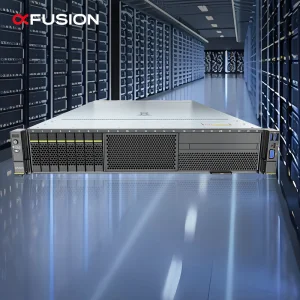
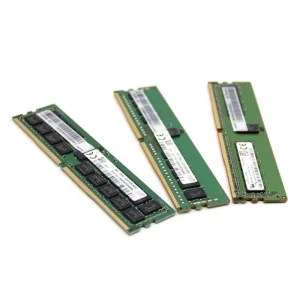
Running multi-threaded virtual desktops on a single server requires significant memory bandwidth and CPU multi-threading capabilities. With Intel Xeon 6th Generation platforms and high-speed DDR5 ECC RAM, our hardware prevents CPU throttling and handles higher workloads per server rack.
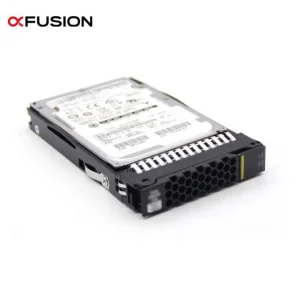
Robotic bots generate massive logs, read/write configuration files, and access extensive databases. Standard storage configurations cannot handle the high-input operations. Implementing NVMe SSD structures with PCIe Gen5 interfaces minimizes latency and prevents operational lag.
Global purchasing directors and enterprise CTOs face strict technical guidelines when sourcing server platforms to back their Robotic Process Automation strategies. A reliable Chinese manufacturer must offer more than just commodity hardware. They must address structural issues regarding power efficiency, thermal management, component lifecycle, and compliance protocols.
When evaluating suppliers, global buyers inspect specific key performance indicators (KPIs). The infrastructure must offer high reliability to avoid pipeline disruption, hardware-level virtualization support to lower hypervisor costs, and dynamic scalability to scale resources as business processes expand.
Enterprise automation is deployed across various industries, each demanding distinct system capabilities. By supplying custom OEM/ODM motherboard solutions and system integration, we ensure that our computing units match these real-world requirements.
RPA bots in BFSI handle trade reconciliation, credit scoring, and fraud detection. These systems require high memory safety (ECC) and fast processing cores to handle large datasets.
Solution: Multi-socket Xeon servers with DDR5 memory, configured with hardware encryption keys to comply with security standards.
Automated order processing and tracking require 24/7 uptime. These environments often run in harsh warehouse edges or remote branch offices with limited IT staff.
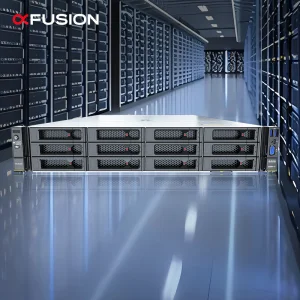
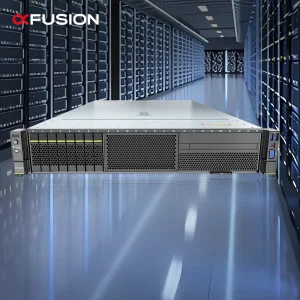
Solution: Compact 1U/2U server chassis equipped with remote management controllers (IPMI 2.0) and high-durability SSD storage.
Processing patient records requires handling massive amounts of unstructured data (imaging, handwritten forms) under HIPAA compliance.
Solution: GPU-accelerated server configurations capable of running local optical character recognition (OCR) and NLP algorithms securely.
AI Server Technology Co., Ltd. is a professional manufacturer and solution provider specializing in AI computing infrastructure. We focus on the design, development, and production of high-performance servers, PCIe switches, GPU baseboards, motherboard solutions, and retimer boards.
Our products are widely used in AI training, machine learning, high-performance computing (HPC), cloud data centers, and enterprise-level computing environments. With strong R&D capabilities and flexible OEM/ODM services, we are committed to delivering reliable, scalable, and high-efficiency AI server solutions for global customers.

Our infrastructure configurations are optimized for:
Artificial Intelligence & Machine Learning: Accelerating training and inference tasks across deep neural networks.
High Performance Computing (HPC): Powering simulation, modeling, and scientific calculations.
Cloud Computing & Data Centers: Providing high density, scalable architecture for multi-tenant hypervisors.
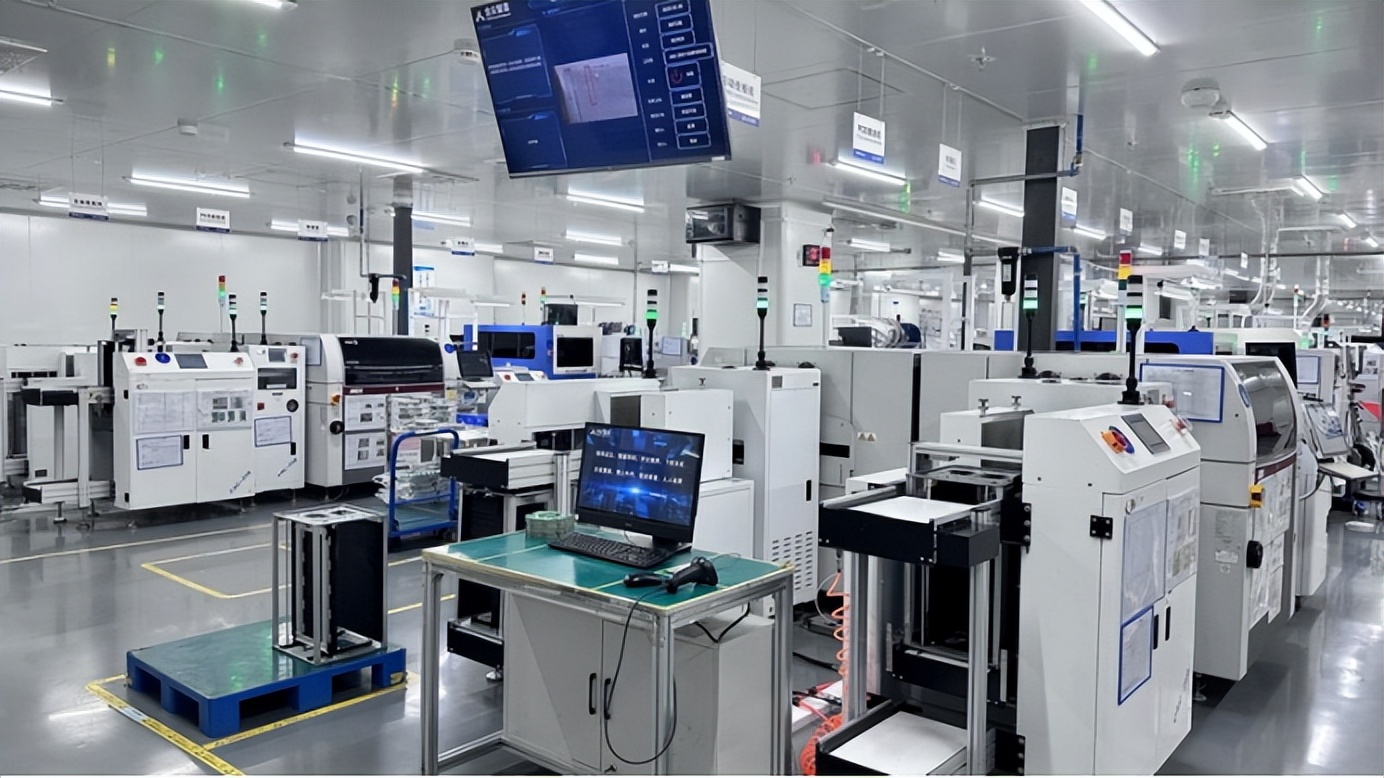
Through rigorous quality inspection and optimization of PCIe signal transmission, our components enable uninterrupted operations under high workloads, laying a stable foundation for corporate RPA orchestration.
Deploying servers globally requires compliance with safety, environmental, and security standards. Our hardware architecture meets international compliance standards, ensuring smooth customs clearance and secure operations in multiple jurisdictions.
Our hardware carries all necessary global certifications including CE, FCC, RoHS, and UL. This guarantees that the server solutions meet strict electromagnetic compatibility (EMC), energy efficiency, and safety standards globally.
Security is critical in modern enterprise networks. All motherboards support TPM 2.0 modules, UEFI Secure Boot, and firmware integrity verification to protect systems from boot-level threats.
We offer custom BIOS configurations, custom brand logo silkscreens, and specific PCIe channel allocation setups. We also provide engineering support to facilitate remote debugging.
AI Server Technology Co., Ltd. continuously invests in research and development to align with emerging automation trends. Below is our technology roadmap designed to support the next generation of cognitive automation and hyper-scale virtualization:
By implementing specialized PCIe Gen6 Retimer boards, we ensure clean signal transmission across long traces, supporting high-speed communication between CPUs and multi-GPU arrays. This minimizes signal attenuation and latency.
Our upcoming motherboards incorporate CXL technology, allowing servers to share memory pools. This architecture helps prevent memory bottlenecks during heavy workloads, allowing robots to access memory spaces on demand.
We are developing short-depth, ruggedized server motherboards designed for edge environments. These units allow retail and manufacturing organizations to run automation processes locally without requiring dedicated data center infrastructure.
Find answers to common questions about selecting, configuring, and importing hardware platforms designed for enterprise RPA and automation applications.
RPA systems execute multiple software robots simultaneously, often within virtual machines or containers. This requires significant CPU threads and memory capacity. Standard systems can suffer from performance bottlenecks. Our high-density server motherboards and ECC RAM configurations provide the stability and bandwidth needed for high-density virtual desktop environments.
In AI-driven automation workflows, CPUs must communicate with GPUs and high-speed NVMe storage. PCIe switches route data dynamically, while Retimer boards boost signal strength over longer distances. This helps prevent performance lag and data corruption during intensive processes like document scanning and OCR.
Yes, we offer complete OEM/ODM options. We can customize aspects such as physical board layouts, BIOS settings, PCIe lane assignments, and chassis cooling configurations to meet the specific requirements of your software stack and deployment environments.
Our products meet international compliance and safety standards, including CE, FCC, RoHS, and UL certifications. They are also equipped with hardware-level security features like TPM 2.0 to help comply with data protection regulations such as GDPR.
We recommend tailoring the configuration to your workflow demands. For standard database and rule-based tasks, a dual-socket CPU server with high-capacity RAM is suitable. For workflows involving intelligent document processing (IDP) and unstructured data, adding GPU accelerators and NVMe storage helps maintain processing speeds.
 Aiserveroem